

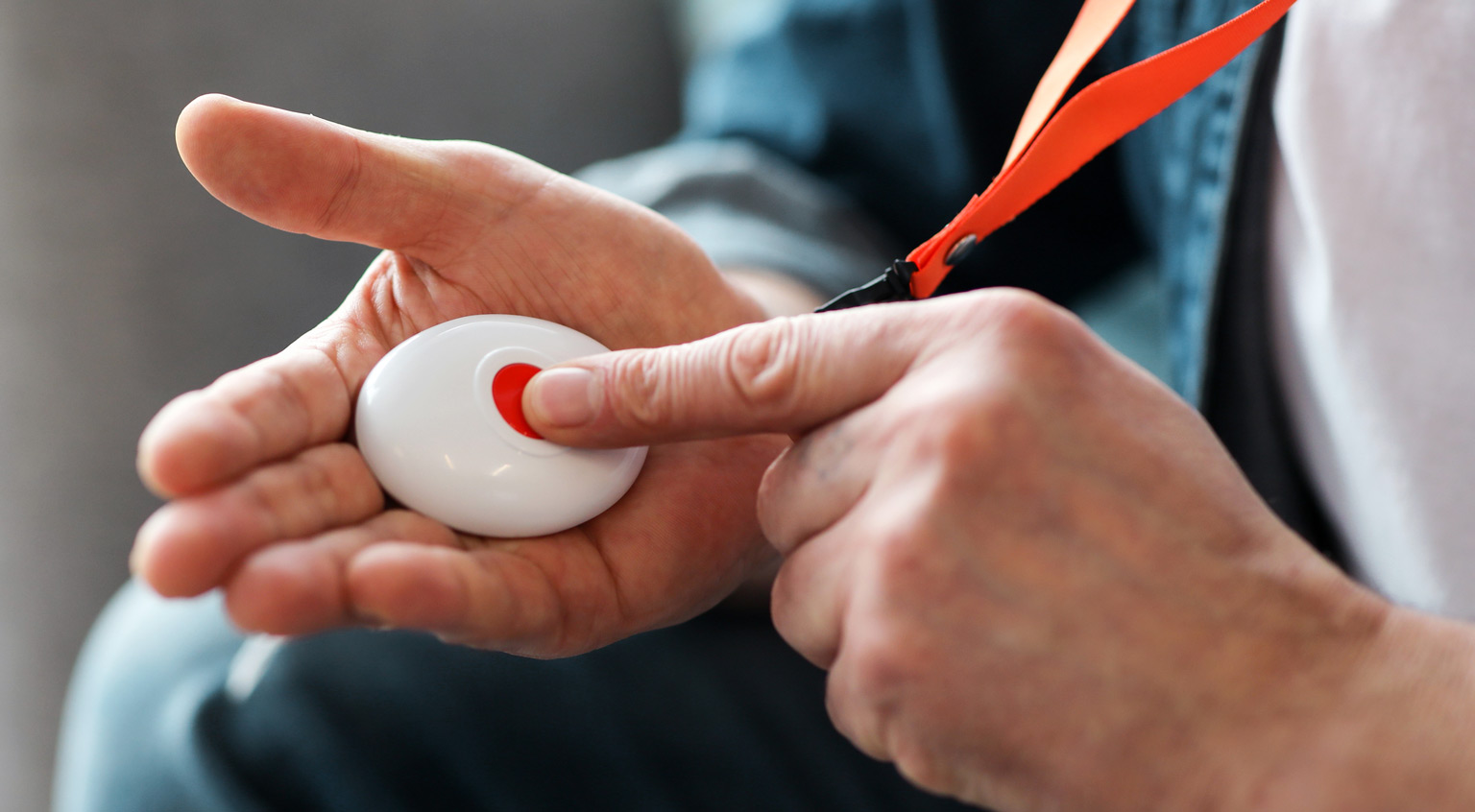
The simple button that brings peace of mind
Contact UsFor many older people, home is where they want to stay. They know their neighbours, feel part of the community and have routines that suit them. After years in the same place, the thought of moving elsewhere may be the last thing on their mind.
As we get older, though, the support we need can change. Reduced mobility, changes in eyesight or an ongoing health condition can make some everyday tasks harder. A fall or sudden illness can be especially worrying when someone is alone and needs help.
For family members, the worry often centres on the minutes after an incident. They may picture Mum on the kitchen floor, with her phone on the bench and no way to let anyone know she needs help. Even with regular calls and visits, families cannot always be there when something happens.
A personal safety button offers a practical way to plan for those moments. Usually worn as a pendant or wristband, it is designed to alert a monitoring service or nominated emergency contacts when pressed. Depending on the system, the person receiving the alert may be able to speak with the wearer and arrange the help they need.
That might mean calling an ambulance or asking a family member to attend. The arrangements need to be clear, including who responds to an alert and how anyone coming to help can get into the home. Personal alarms have their roots in the 1970s, with early pioneers including Andrew Dibner in the United States and Wilhelm Hormann in Germany. Their work addressed a concern many families still recognise today: how someone living alone could call for help when they needed it, while continuing to live in their own home.
Accepting support can take some getting used to, especially for someone who has always managed things themselves. A personal alarm may help them feel more comfortable spending time alone, while they continue making their own choices and getting on with familiar routines.
Adult children may also feel reassured knowing that a parent has a way to call for help, especially when work or distance means they cannot be close by. Regular phone calls and visits remain important, both for company and for noticing when someone might need more support.
Choosing the right device matters. It needs to be comfortable enough to wear, easy to operate and able to work where the person spends time. Ask the supplier about coverage, charging and how alerts are handled. Some devices also offer automatic fall detection, although certain falls can be missed. Involve the person who will wear it and take time to practise using it together.
Many of us hope to keep living in the place we know best. A personal alarm can be one small part of the support that helps make that possible. With a suitable device and a clear plan for help, it can offer greater confidence to the person wearing it and peace of mind to the people who care about them.
You might also find helpful
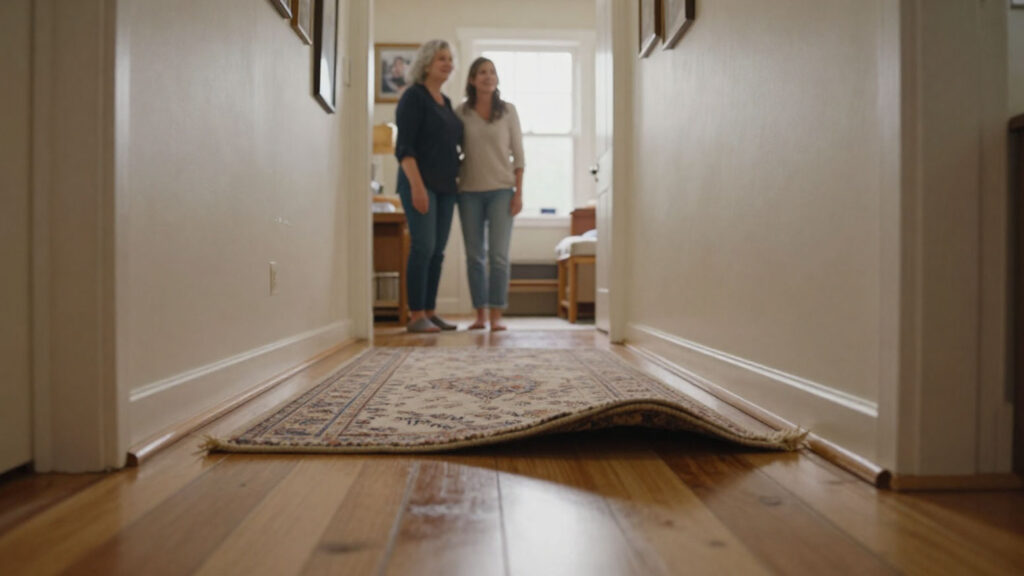
Staying at home shouldn’t mean being at risk
The runner in the hallway had been there since 1998. It was the first thing you saw walking in, faded blue, curling at one corner, the corner everyone…
Read article
Twenty things, room by room
How safe is your home? Follow our 20-point checklist to ensure a safer home for you and your loved ones.
Read article