
Twenty things, room by room
Contact UsWalk the house with a pen. Most of these are free, and most take an afternoon or less.
01 Entry, hall and stairs
- Loose rugs and runners removed, or taped down on all four edges
- Every step edge marked with contrast tape. The eye needs the edge, not the step
- Handrails on both sides of stairs, running the full length
- Path from door to car clear of hoses, pots, pet bowls and uneven pavers
02 Bathroom
- Grab rails installed and bolted to studs, never a suction-cup rail
- Non-slip mat inside the shower and a dry mat outside it
- A shower stool in place, so washing never depends on balance
- Toilet height checked. If standing needs a push-off, fit a raised seat
03 Bedroom and the night walk
- Motion-sensor night lights along the bed-to-bathroom route
- Lamp, phone and glasses reachable without getting out of bed
- Bed height lets both feet sit flat on the floor before standing
- Slippers with a back and a grip sole, no scuffs, no bare feet on tile
04 Kitchen and living
- Everyday items between hip and shoulder height, the step stool retired
- Cords and phone chargers routed around walkways, never across them
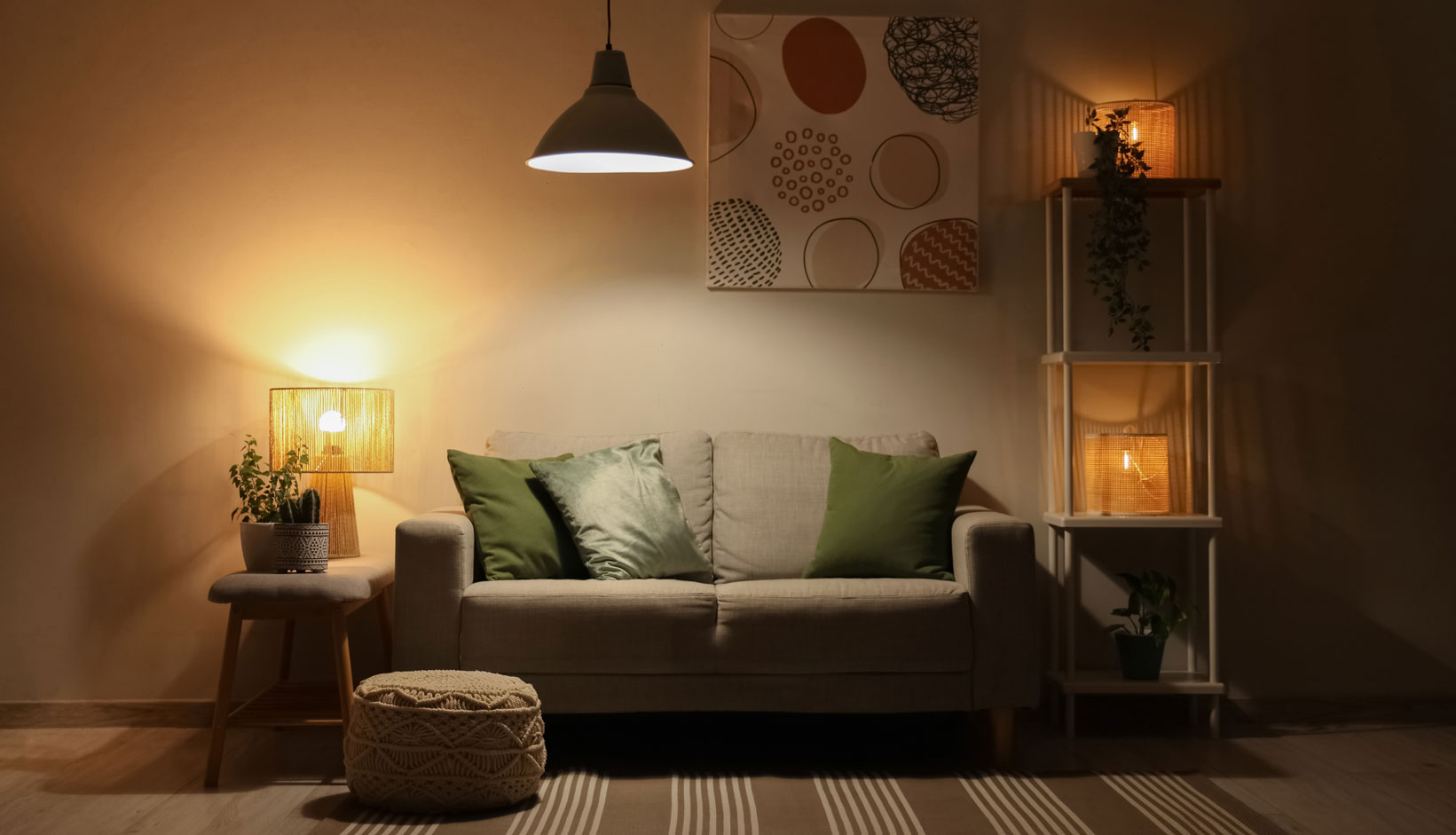
- Brighter globes fitted throughout. Older eyes need far more light
- Favourite chair firm and high enough to stand from without a heave
05 The body, not the building
- Eyes tested in the last 12 months, bifocals checked for stair use. Medicare covers a yearly test from 65
- Medications reviewed by the GP or pharmacist for dizziness and balance
- Balance practice every day, strength work two or three times a week. Standing on one leg while the kettle boils counts
- A way to call for help from the floor. Pendant, watch, or phone in the pocket
Having the conversation
The hardest part of this list isn’t the list. It’s that your father doesn’t want a rail in his bathroom, because a rail is what old people have.
A few things that help.
Start with the changes nobody can see. Brighter globes, cords moved, a night light. They cost nothing, they change nothing visible, and they quietly make the point that this is about the house rather than about him.
Frame every change around what it protects. A rail in the shower isn’t about falling over. It’s about still washing without anyone else in the room.
Let them choose. Where the rail goes, which chair gets replaced, what the tape looks like. A change someone chooses is a change that stays.
Expect it to take more than one conversation. Most of this list gets done across a year, not an afternoon. Nothing on it is urgent until it is, so start with the easy things and keep going.
If you only do one thing
Walk the route from the bed to the toilet at 2am, in the dark, in socks, with the dog underfoot.
That one trip puts together everything that causes a fall. No light, poor balance on waking, bare feet, an unfamiliar obstacle, and a hard floor at the end of it.
Then fix what you find. Light it, clear it, and give it something to hold onto.
You might also find helpful
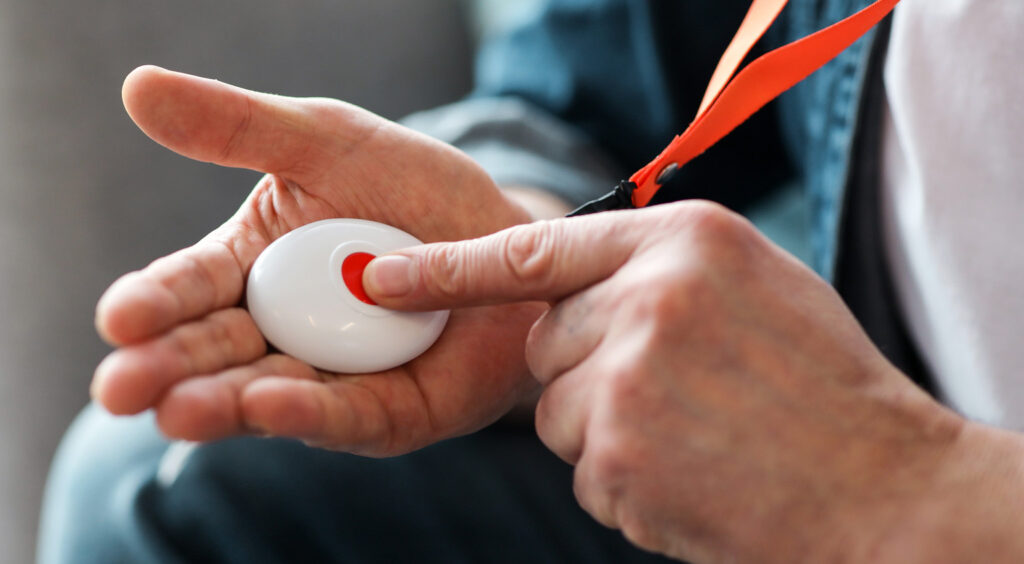
The simple button that brings peace of mind
For many older people, home is where they want to stay. They know their neighbours, feel part of the community and have routines that suit them. After years…
Read article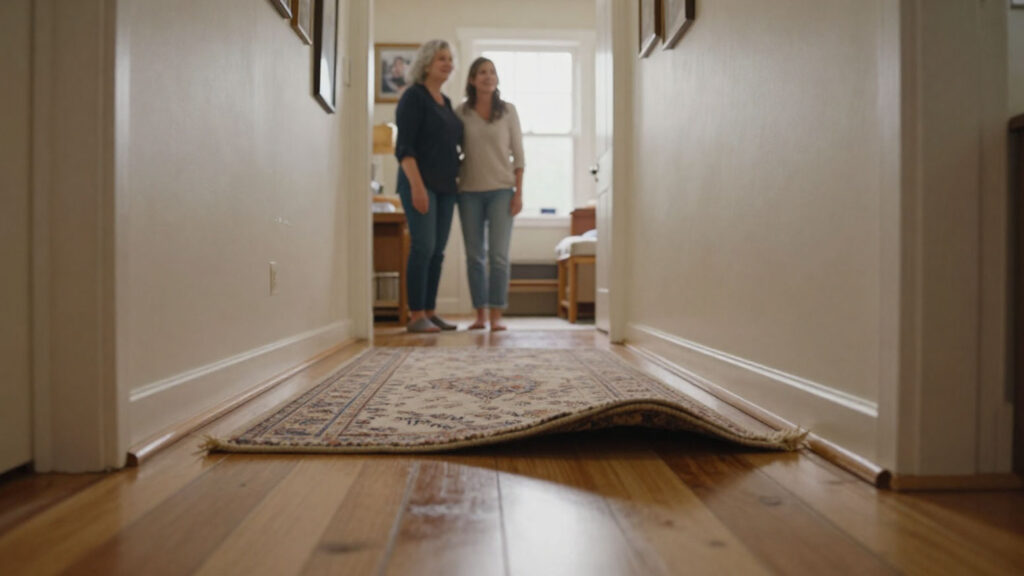
Staying at home shouldn’t mean being at risk
The runner in the hallway had been there since 1998. It was the first thing you saw walking in, faded blue, curling at one corner, the corner everyone…
Read article